The History of Art
Art has been part of human life for longer than written language, democracy, or the wheel. Long before people had words to describe their world, they had images. The impulse to make, mark, and communicate through visual form appears to be deeply wired into what it means to be human — and tracing that impulse across time reveals just how much art tells us about who we are.
The earliest marks
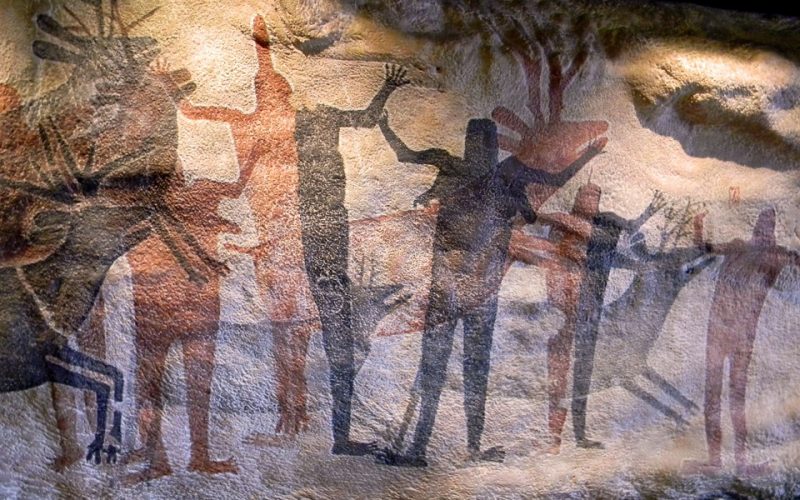
The oldest known artworks date back over 40,000 years. Found in caves across Spain, France, and Indonesia, these early paintings depict animals, handprints, and abstract symbols rendered in ochre, charcoal, and clay. What drove prehistoric people to create them remains a subject of debate — ritual, storytelling, or simply the desire to leave a mark — but their sophistication is undeniable. The famous paintings at Lascaux in France, created around 17,000 years ago, show horses and bison with a fluidity that feels remarkably alive.
Ancient civilisations and the art of legacy
As human societies grew more complex, so did their art. Ancient Egypt produced one of history's most consistent and recognisable visual languages — a style governed by strict conventions that remained largely unchanged for over 3,000 years. Figures were depicted according to importance rather than perspective, and art served a clear purpose: to honour the gods, record history, and ensure safe passage into the afterlife. Meanwhile, ancient Greece shifted the focus towards the human form, pursuing ideals of proportion and beauty that would influence Western art for centuries.
The Middle Ages and the Renaissance
Following the fall of the Roman Empire, European art became largely shaped by the Christian Church. Medieval works — illuminated manuscripts, mosaics, and altarpieces — were designed to educate and inspire devotion rather than to represent the natural world realistically. Figures were stylised and symbolic, gold leaf a common background, and perspective largely absent. That changed dramatically with the Renaissance, which began in 14th-century Italy. Artists such as Leonardo da Vinci, Michelangelo, and Raphael revived classical ideals while introducing techniques like chiaroscuro and linear perspective, bringing a new sense of depth and humanity to their work.
Revolution, rebellion, and modernism
The centuries that followed saw art respond to seismic shifts in society. The Baroque period brought drama and movement; the Romantics championed emotion and the sublime power of nature. Then, in the 19th century, the Impressionists broke with academic tradition entirely. Artists like Claude Monet and Edgar Degas abandoned precise detail in favour of light, colour, and fleeting sensation — a radical departure that paved the way for modern art. The 20th century saw that experimentation accelerate sharply. Cubism, surrealism, abstraction, and conceptual art each challenged the very definition of what art could be, with figures like Picasso, Dalí, and Kandinsky rewriting the rules entirely.
Contemporary art and what comes next
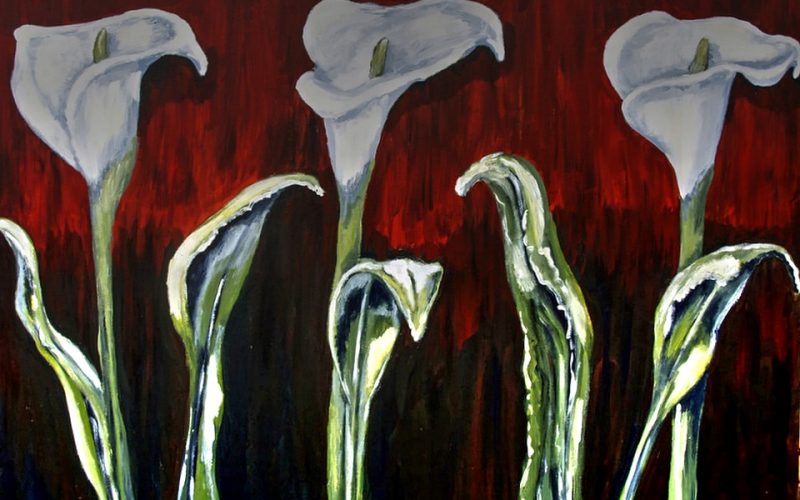
Art today is as varied as the world that produces it. The late 20th century brought movements such as pop art and minimalism, while contemporary artists now work across a vast range of media — video, installation, digital, and performance — often blurring the boundaries between disciplines. Questions of identity, politics, and technology are central to much of what is being made. The rise of digital art and NFTs has further complicated long-held ideas about originality, ownership, and value.
What remains constant, across all these periods and movements, is the fundamental human desire to make sense of experience through image and form. Art has always been a record of how people see themselves and their world — and as both continue to change, so too will the art that reflects them.